Ottawa Winter Sunset Guide — Cold Weather Sunset Watching
Contents
Why Ottawa's Winter Sunsets Are Among the Year's Best
It may seem counterintuitive, but many sunset experts and photographers consider Ottawa's winter sunsets to be the most spectacular of the year. While summer offers longer, more leisurely sunset viewing conditions, winter produces some of the most vivid, dramatic, and visually striking sunset displays — sunsets that burn with an intensity rarely seen in warmer months.
Several factors combine to make Ottawa's winter sunsets exceptional:
Ultra-Clear Atmosphere
Ottawa's winter air masses, typically Arctic in origin, are among the driest and cleanest air the city experiences all year. This extremely low humidity eliminates the haze that softens and mutes summer sunset colors. The result is a sunset with razor-sharp color boundaries, vivid saturation, and a clarity that makes the sky look almost electric.
Low Sun Angle
The winter sun never climbs higher than about 21 degrees above the horizon at its peak (compared to 68 degrees in summer). This perpetually low angle means the sun is always traveling through a thick layer of atmosphere, which scatters blue light efficiently and allows the warm red and orange wavelengths to dominate. The effect is that even midday light has a warm quality in winter, and sunset light is extraordinarily intense.
Snow Reflections
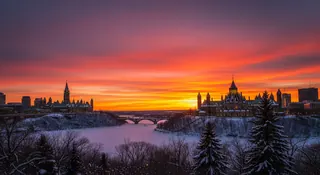
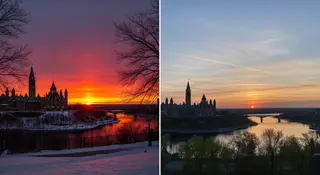
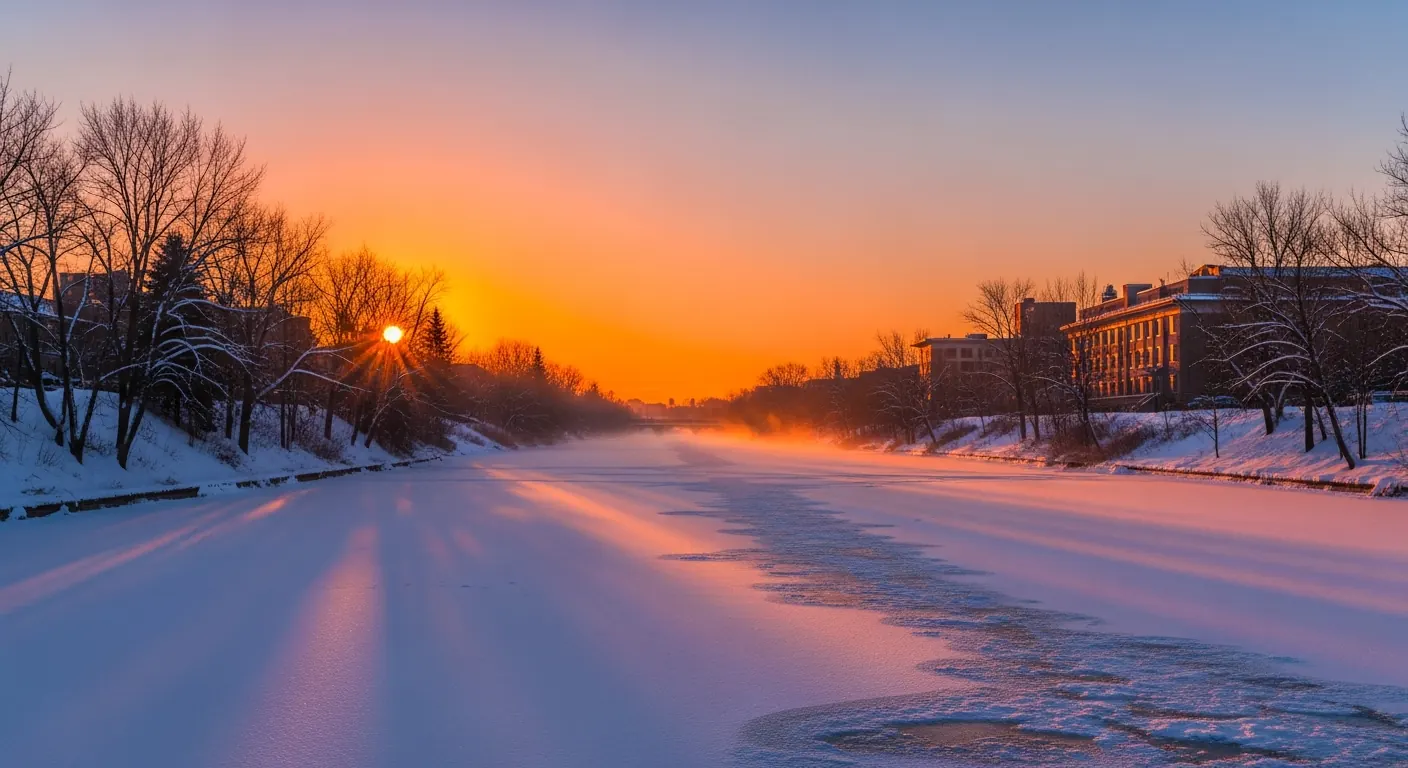
When snow covers Ottawa's landscape, it acts as a massive reflector. Sunset light bouncing off snow illuminates buildings, trees, and clouds from below, creating an all-enveloping warm glow that doesn't occur in other seasons. Parliament Hill appears to glow from within as snow-reflected warm light fills the shadows usually left dark by the low sun angle.
Dramatic Cloud Formations
Winter's active weather systems produce dramatic cloud structures — from towering cumulonimbus to layered stratus to wispy cirrus. These varied cloud formations catch and display sunset light across vast areas of sky, creating elaborate patterns of warm and cool colors.
Winter Sunset Times and Planning
Winter sunset in Ottawa occurs early — from about 4:20 PM (mid-December) to 5:30 PM (late February). This early timing has both advantages and challenges:
Advantages of Early Winter Sunsets
- After-work accessibility: With sunset before 5:00 PM in December-January, many workers can catch the sunset during their commute or immediately after leaving the office. No need to wait until 9 PM as in summer
- Practical golden hour: Golden hour starts as early as 3:00 PM, meaning you can enjoy beautiful light during normal afternoon hours
- Photography-friendly timing: Early sunset means you don't have to stay out late for twilight photography — you can capture the entire sunset-to-darkness sequence and still be home for dinner
Winter Sunset Timeline
| Period | Sunset Range | Golden Hour Start |
|---|---|---|
| Early December | 4:20-4:22 PM | ~3:10 PM |
| Late December | 4:22-4:28 PM | ~3:15 PM |
| January | 4:30-5:05 PM | ~3:20-3:50 PM |
| February | 5:05-5:55 PM | ~3:50-4:40 PM |
Check our sunset calculator for the exact time on any specific winter date.
Best Winter Sunset Locations in Ottawa
Winter sunset watching requires different considerations than summer. You want locations that are accessible in winter conditions, provide shelter from wind, and don't require long cold exposure to enjoy:
Top Winter Picks
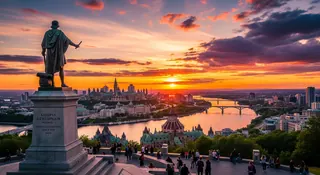
- Parliament Hill: Paved, plowed, and accessible year-round. The Gothic architecture creates stunning silhouettes against vivid winter sunset skies. The ByWard Market and Rideau Centre provide warm retreats before and after. One of the most convenient winter sunset spots in the city.
- Rideau Canal Skateway: When the canal is frozen and the Skateway is open, skating at sunset is an iconic Ottawa winter experience. The low sun angle creates long shadows across the ice, and the surrounding snow-covered cityscape glows warmly. Warm up at one of the canal-side BeaverTails kiosks.
- National Gallery of Canada: The Great Hall's floor-to-ceiling glass walls face north and west, offering views toward Parliament Hill. This is Ottawa's only heated indoor sunset viewing location — perfect for bitter cold days when outdoor viewing is impractical.
- Nepean Point: The hilltop viewpoint is accessible year-round, though the path can be icy. Bring ice cleats. The elevated view of the frozen river with Parliament Hill against a winter sunset is dramatic.
- Britannia Beach: The frozen or partially frozen lake creates unique winter compositions — ice formations, snow patterns, and the stark landscape catch warm sunset light beautifully. Very exposed to wind, so dress accordingly.
How to Dress for Winter Sunset Watching
Ottawa's winter temperatures during sunset hours (typically late afternoon) often range from -10°C to -25°C, with wind chill making it feel even colder. Standing still to watch a sunset — without the warmth-generating movement of walking or skiing — makes proper clothing essential.
Layer System
- Base layer: Moisture-wicking wool or synthetic fabric next to your skin. Cotton is a poor choice as it holds moisture and chills quickly
- Insulation layer: Fleece or down jacket providing the main warmth. A down puff jacket is ideal
- Outer shell: Wind-proof and water-resistant jacket. Ottawa's wind during sunset can be piercing, especially near water
Extremities — Where You'll Feel Cold First
- Hands: Insulated gloves or mittens. Bring chemical hand warmers for extended viewing. If photographing, use touchscreen-compatible gloves or fingerless liner gloves under warm mittens
- Feet: Insulated winter boots rated to at least -30°C. Standing on frozen ground pulls heat away rapidly. Chemical toe warmers make a huge difference
- Head and face: Warm toque (beanie) that covers your ears. A neck gaiter or balaclava protects your face from wind. On very cold days, ski goggles can protect your eyes from wind-driven tears
Duration Management
In extreme cold (-20°C and below), limit your outdoor sunset viewing to 30-45 minutes. Start at the beginning of golden hour and retreat to warmth after sunset. Even with excellent gear, standing still in Ottawa's extreme cold becomes uncomfortable quickly. Have a warm car or nearby heated building as your retreat.
Winter Sunset Photography Tips
Photographing winter sunsets in Ottawa presents unique challenges and rewards:
Cold Weather Camera Care
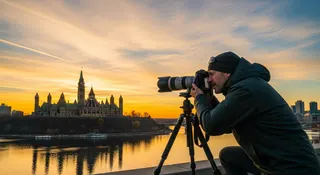
- Batteries: Cold drains batteries dramatically. Keep 2-3 spare batteries in an inside pocket, close to your body heat. When your camera battery dies, swap in a warm one from your pocket and put the cold one back to warm up
- Condensation: Moving a cold camera into a warm building causes condensation on and inside the lens. Place your camera in its bag before entering warmth, allowing it to acclimate slowly. Don't change lenses in extreme cold if possible
- LCD screens: Cold slows LCD response times. Compose through the viewfinder when possible
- Metal tripods: Metal legs in extreme cold can cause frostbite on bare hands. Wrap the upper legs in foam grips or pipe insulation
Composition Opportunities
Winter offers compositions unavailable in other seasons:
- Ice formations on the Ottawa River catching warm sunset light
- Steam rising from open water (when partially frozen) creating ethereal effects
- Snow-covered landscapes reflecting warm tones, eliminating harsh shadows
- Bare trees creating graphic, minimalist silhouettes
- Skaters on the Rideau Canal as silhouettes against the sunset
- Fresh snowfall catching warm directional light — texture and sparkle
Share your winter sunset captures in our community gallery.
Frequently Asked Questions
Explore Ottawa's Best Sunsets
Use our interactive tools to find the perfect sunset viewing experience.